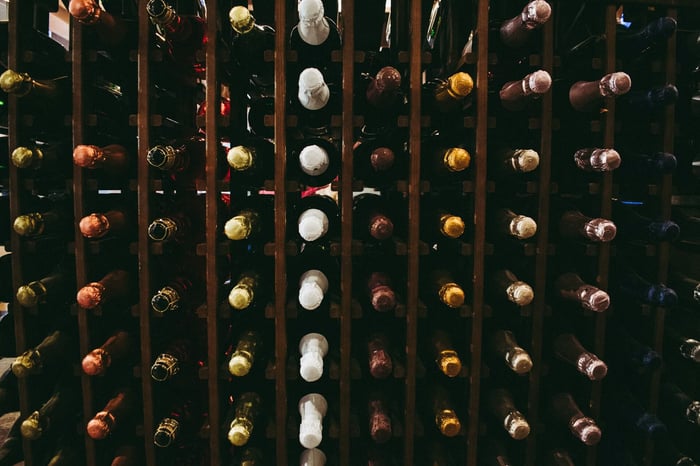
Wine doesn’t like surprises. Whether it’s sudden heat, cold snaps, or shifts in humidity, bottles need a steady place to rest. If you're storing wine over the summer, keeping it in the garage or a spare closet can put all that aging and flavor at risk. That’s where climate controlled units come in.
Having a storage space that stays at a steady temperature and humidity level is one of the best ways to protect your collection, especially during hot months. Whether you have a small personal set, a family heirloom bottle, or several cases you’re saving for later, climate control can help hold onto the wine’s taste, smell, and structure. Choosing the right environment becomes even more important when temperatures rise for long periods, as sustained warmth can slowly impact unopened bottles. The environment where your wine rests plays a direct role in how it ages and whether each bottle tastes as intended.
Why Temperature Swings Are a Problem for Wine
Wine reacts quickly to changes in heat and cold. It doesn’t need dramatic shifts to start losing quality either. A few warm afternoons or chilly nights can cause damage.
High temperatures can change how your wine smells and tastes. Instead of smooth and balanced, a bottle can start to feel flat or off.
Fluctuating temperatures make corks expand and contract. When that happens too often, air can sneak in through the seal and affect the wine.
If your storage spot gets warm during the day and cool at night, that back-and-forth puts stress on each bottle, especially over the summer when even shaded areas can heat up.
Keeping wine safe starts with limiting how often temperatures jump around. Wine prefers a steady, cool environment that doesn't bounce between extremes. Most home settings during summer just don’t offer that reliability. When HVAC systems are working overtime or windows let in warm breezes, it's difficult to guarantee each bottle gets the consistent care it needs. Over time, repeated fluctuations can even weaken corks, making them more likely to fail.
Understanding the Role of Humidity
Humidity doesn’t always come to mind right away, but it plays a big part in how wine holds up over time. Too dry and corks can shrink. Too damp and you might notice moldy smells or stains before you even open a bottle.
Cork shrinkage allows air into the bottle, speeding up unwanted changes in flavor and scent.
Moisture in the air can damage wine labels. For collectors, those paper labels matter. They add value, identity, and even sentimental meaning.
If you store wine in wooden cases or decorative boxes, high humidity can cause swelling, warping, or unpleasant mildew over time.
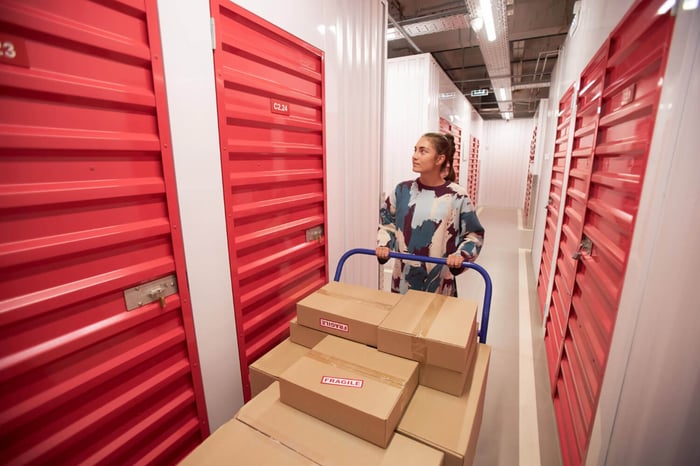
Climate controlled units help by keeping humidity levels in that comfortable middle zone. Not too dry. Not too stuffy. And that balance makes a difference when you’re trying to store wine past a single season. At YourWay Storage, our climate controlled units are monitored to hold steady throughout every season, and the secure, modern facilities include 24/7 video surveillance. Without the right balance, even well-stored bottles can see cork or label problems that are often hard to fix. That’s why maintaining optimal humidity is crucial for any wine enthusiast, regardless of whether the collection is large or small.
How Light and Air Exposure Affect Your Bottles
It’s not just heat and humidity that can change your wine. Light and stale air can slowly affect your bottles too. A warm garage or crowded basement might seem fine for short periods, but those factors add up faster than people think.
UV rays from sunlight or certain indoor lights break down wine, especially in clear or green bottles. That damage builds slowly but leads to a duller taste.
Stale, unventilated spaces can make wine smell musty, especially if moisture gets trapped. You might not notice until opening a bottle months later.
Rooms with windows, open ceilings, or weak insulation can expose stored wine to more light and changing airflow than you expect.
Spaces made for storage help limit unnecessary sunlight and provide a calmer air environment. That reduces the chances of bottles aging in strange or unpredictable ways. Finding darkness and a clean atmosphere helps every cork and label remain intact. Over time, this thoughtful storage approach helps prevent the unintended changes that diminish wine’s quality and aroma.
Long-Term Protection for Special Collections
Not all wine is stored just for occasional use. You may be building a collection slowly over time or holding on to sentimental bottles for the right moment. In those cases, how and where you store them matters even more.
Climate controlled units make it easier to store wine long-term without needing to check on it constantly. You can trust the setting to remain steady.
Whether it's a couple of bottles from a special trip or a growing inventory you plan to enjoy over years, storage helps you keep them undisturbed and in better condition.
If you're in the process of moving or remodeling, having somewhere to temporarily hold wine gives you one less thing to stress over.
Consistency is key when it comes to wine that sits for months, or even years, without being opened. A stable place gives your bottles the environment they need to age properly, without losing quality. Many wine lovers find peace of mind knowing their collection isn’t subject to the unpredictability of home storage. Having a secure and controlled space means less worry about sudden environmental issues interfering with your investment. Whether you collect rare vintages or keep everyday favorites, the longevity of each bottle depends on that consistency.
Peace of Mind for Every Collector
Summer can introduce more challenges, especially once temperatures stay above 80°F during the day. And depending on where you live, humidity or storms can add new risks. Using climate controlled units removes those worries by holding steady when everything outside shifts around.
Avoiding heat damage is one of the easiest ways to protect your wine from losing flavor or aroma.
Humidity control helps protect both the wine and the packaging, from corks to labels and boxes.
With consistent conditions, you don’t have to plan around extreme weather or unexpected hot stretches. Your wine stays ready, and you don’t have to think twice.
Whether you're storing a single special bottle or an entire collection, summer is a smart time to rethink where and how it’s kept. Wine isn’t hard to care for when conditions are right. A controlled setting helps keep it that way. By relying on a dedicated, monitored storage environment, you give your wine collection the conditions it needs to thrive year-round, and you can focus more on enjoying each pour instead of worrying about preservation. Taking steps to safeguard your bottles now means you’ll be ready for any occasion, and your wine will reward you with the very best of its character.
At YourWay Storage, we understand the dedication behind building and maintaining a wine collection. Using one of our climate controlled units creates a stable, reliable environment for your bottles throughout the year, especially during hot or humid seasons. Whether your collection is small or you're gearing up for a move, we’re here to make your storage experience easier. Call us today to learn how we can meet your storage needs.