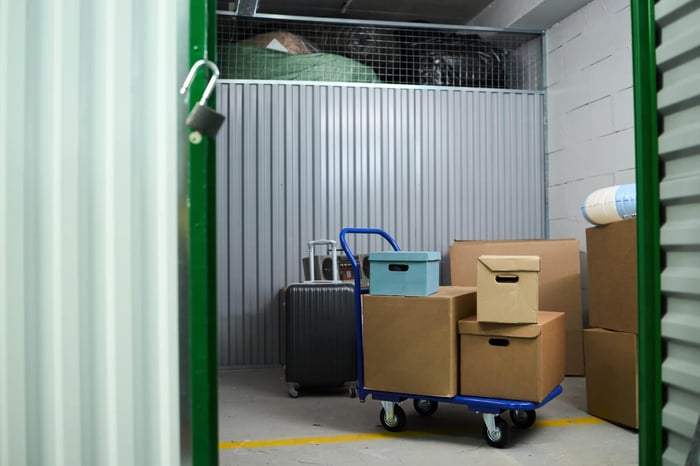
Art holds personal meaning. Whether it's something we made ourselves or a piece we bought because it spoke to us, we want to keep it safe. When it's time to put that artwork into storage, a regular space might not be the best fit. That’s because artwork reacts to changes in air, temperature, and light. Even a short time in a room that gets too warm or damp can leave lasting marks.
As early fall brings cooler nights and humid days, that swing in weather can be tough on fragile items like paintings and prints. Basement corners and stuffy garages may seem convenient, but they often trap moisture or trap heat. For artwork, that can lead to damage we don’t see right away. That’s why temperature controlled storage is worth thinking about. It offers a steadier space with features that help keep our pieces in better shape, no matter what’s happening outside.
Why Art Needs Special Care in Storage
Not every item we own reacts the same way to a stuffy attic or rainy weekend. But artwork is different. The materials used to create it can change based on the air and heat around them.
Canvas and paper absorb moisture. That can lead to warping or stretching that ruins shape and texture.
Paint can crack, fade, or become sticky when exposed to too much heat or light.
Wood frames swell or shrink depending on humidity levels, which can pull the artwork out of alignment.
Mold often forms in dark, damp spaces when items sit untouched for even a few weeks.
When we store art in basic units or home closets that don’t control air movement or temperature, we take the risk that these things can happen. Once damage starts, it’s hard to reverse.
What Temperature Controlled Storage Really Does
Putting artwork into storage isn’t just about keeping it tucked away. It’s about choosing the right type of space that does more than hold our things. Temperature controlled storage keeps the inside of the unit at a steady range and cuts down on humidity.
Unlike basic storage areas that can get hot in late afternoons or chilly during cool nights, these units stay closer to room temperature. That alone helps prevent the expansion and contraction that warps materials. Humidity stays low, which helps stop mold or mildew from developing. Even small benefits like reduced dust and less exposure to pests make a difference when storing art.
Some of the items that do especially well in climate protection include:
Framed art prints, especially those under glass or acrylic
Canvas paintings using oil or acrylics
Wooden frames or carved art pieces
Sketchbooks, portfolios, or art on delicate paper
Each of these reacts in different ways to the climate around them. A controlled space gives them all a steadier, cleaner environment, even if they’ll only be stored for a little while.
Benefits for Short-Term vs. Long-Term Art Storage
Some people only put art into storage for a season. Others pack it away for longer stretches while changing homes or making space. No matter the reason, climate control offers peace of mind across both those timelines.
In short-term storage, especially during weeks of mixed heat and rain in early fall, we avoid the problems that can creep in quickly, like mold or curling paper.
For long-term plans, the biggest benefit is slow, steady protection. Items don’t dry out, crack, or fade from large swings in the surrounding environment.
Having one less thing to check or worry about gives us more time to focus on the bigger parts of a move or renovation. Long-term care often saves us from needing to repair or replace damaged items later.
Whether we plan to rotate seasonal art or protect family keepsakes for years, using the right type of space from the start helps those pieces last longer and arrive in the same shape they went in.
Packing and Storing Art the Right Way (Without DIY)
Even with smart storage choices, how we prepare and position our items matters. Some extra care upfront saves lots of frustration later.
Cover artwork in materials that allow some air flow, like cotton or acid-free wrap, to avoid trapped moisture
Keep art upright when possible, and avoid placing anything heavy on top
Leave space between items for a bit of air movement inside the unit
Avoid stacking fragile pieces or leaning them at odd angles
Professional advice or help can make a big difference here. We don't want to trust guesswork when it comes to items that mean something to us. No matter how careful we think we’ve been, the wrong wrap or box can cause damage if the weather shifts. Matching smart prep with a unit that manages heat and humidity gives us the best chance of keeping things how we remember them.
Storage That Helps Your Art Last
Seasonal weather in early fall might not feel harsh, but small shifts can add up. High humidity one day, cooler temps the next, then back to sunshine can slowly affect stored pieces without warning signs. Not every storage space is a great match for something like artwork.
When we choose zones that regulate temperature, we don’t have to guess what the weather’s doing. We don’t have to pop in just to check on things or open a piece months later, only to find warping or spotting. Good storage takes those worries off the list.
Protecting artwork isn’t about being overly cautious. It’s about knowing what can go wrong and giving our items the best chance at lasting. Climate control is part of that choice. When the space stays right, the art stays ready, whether we’re pulling it out next week or not until next year.
At YourWay Storage, we understand the importance of protecting your artwork, whether it’s an entire collection or a single piece that means the world to you. Selecting the right environment is just as important as the perfect packing solution. Our temperature controlled storage helps safeguard your art during every season. Ready for peace of mind? Reach out today so we can help you find the ideal storage space for your needs.