Spring can be a welcome break from cold winter weather, but for people who deal with seasonal allergies, it often brings a fresh wave of stuffy sinuses and sneezing. This is the time when pollen counts go up, trees start blooming, and damp mornings leave behind more than dew. For people putting things into storage during this season, those same conditions can cause problems inside, too. That is where having a clean, steady place to store belongings really matters.
Climate controlled units are not just about temperature. They also help manage humidity and create a more stable space overall. That becomes important when we are trying to store items safely while keeping allergens like mold, dust, or pollen from collecting on them. With some planning, we can store smarter this spring while cutting down on triggers that might affect us later.
Why Spring Storage Needs Extra Care
As the weather warms up, things like dust and pollen start moving around more. Outdoor air can carry all kinds of small particles, which often sneak their way inside buildings and storage spaces. That includes garages, storage sheds, and other areas people use to stow things when they clean out for spring.
Some allergy triggers build up faster during spring:
- Pollen gets trapped in fabric, clothing, and even cardboard.
- Warmer, wet days make it easier for mold to grow on forgotten items.
- Stored items kept in places without air circulation can become musty or dusty within weeks.
That means when we open up boxes a few months later, we could be releasing built-up allergens into the air. Some extra care when choosing where and how things get stored can go a long way in cutting down cleaning, and in helping everyone feel a bit better when things come back out.
What Makes Climate Controlled Units Different
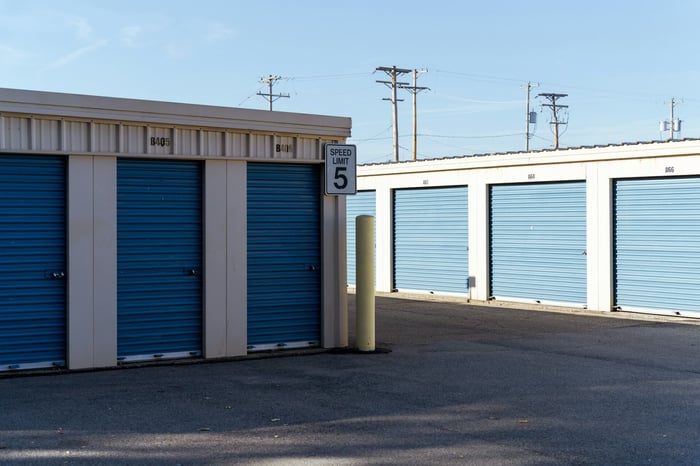
Not all storage spaces are built the same. Traditional outdoor units can work for many uses, but climate controlled ones add an extra level of protection by controlling two major problem areas: temperature and humidity. Those might sound like small details, but they really do change how clean and safe a space feels.
Here is what sets climate controlled units apart:
The air stays at a steady temperature, not too hot or cold.
Moisture in the air is kept at a low, stable level, reducing the chance for mold or mildew to form.
Less humidity means fewer places for allergens to cling or grow.
That cleaner, more controlled space does not just help protect what we store. It also helps when we go in to look for something or bring it back home. Instead of opening a box that smells stale or feels damp, we are dealing with items that are closer to how we left them.
Items That Benefit Most During Allergy Season
Some of the most common things we put into storage each spring are the same types that attract allergens. Storing them in the right conditions helps keep them cleaner and makes them safer to bring back out later.
Bedding, throw pillows, or curtains can trap pollen or dust, especially after being used each season.
Cold-weather clothes packed up for spring are often made of heavier fabrics, which hold moisture when stored in unventilated places.
Items like baby clothes, stuffed animals, or bedding used by sensitive family members should be stored in areas with clean, dry air.
Paper files, product samples, and electronics used for business can be damaged by both moisture and heavy dust.
All of these things benefit from being stored in a room where the air stays balanced and clean. That way, they will not feel sticky, musty, or dusty when they come back out later in the year.
How to Keep Your Stored Items Allergy-Friendly
Even the best storage space benefits from simple habits that help keep allergens away. A few small steps can make a big difference when it comes to keeping stored items cleaner and more comfortable to handle down the line.
Wipe down and clean everything before storing so you are not locking in dust or pollen.
Use sealed storage bins or vacuum bags to add an extra layer of protection.
Choose units that are monitored consistently and kept in good shape. That means regular checks for leaks, pests, or air flow issues.
These steps do not take much time, but they help keep allergens from building up out of sight. When we go back to retrieve what we stored, it is helpful to know we will not be walking into a cloud of dust or struggling with a mildew smell.
Breathe Easier With the Right Storage Choice
Allergy season does not just affect how we feel, it shapes how we move through our daily tasks too. When we sneeze through spring cleanings or feel stuffy after opening a forgotten bin, it is a clear sign that what and where we store items matters just as much as the act of storing itself.
Climate controlled units offer a cleaner, calmer place to store the things we do not need today but will need again soon. With stable air and fewer allergy triggers, we are able to pack and unpack more comfortably. That small shift can take a lot of stress off our backs this season. By preparing now, we set ourselves up for smoother spring changes and healthier indoor spaces all year long.
At YourWay Storage, we understand the importance of maintaining a clean, reliable environment during allergy season. That is why we suggest selecting spaces that offer more than just extra room, they should also safeguard the items that matter most. To make an informed decision this spring, discover how our climate controlled units can provide cleaner, more comfortable storage. Reach out to us today with any questions.