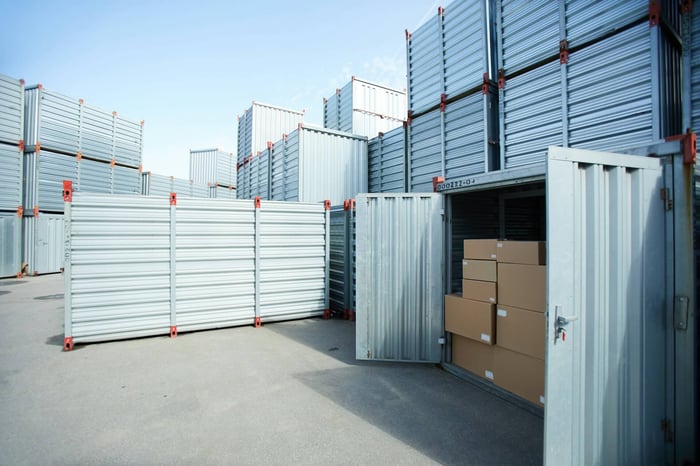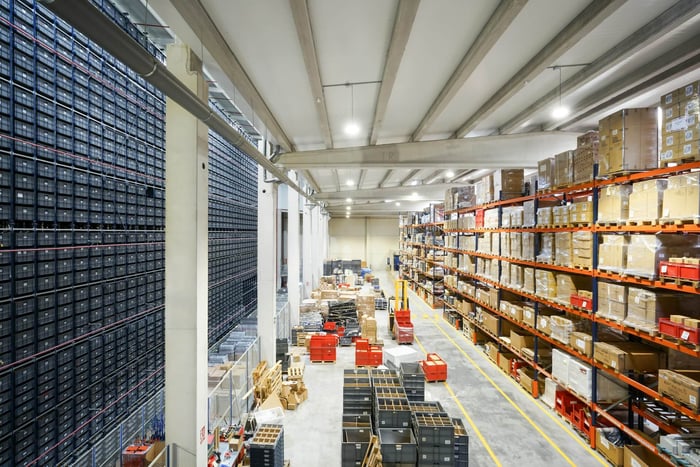
Trying to keep things straight inside a packed storage warehouse can feel tricky. Between the boxes, furniture, supplies, or equipment, everything can start to blur together fast. Before long, finding that one important item becomes a long search through stacks of stuff.
Whether we're storing things for a short time or for ongoing use, the way we pack matters. Having a plan before we move everything in can save us time, space, and headaches later. Storage doesn't have to be confusing. With a few habits that keep our space in order, we can stay ahead of the mess and save ourselves the hassle of digging through it all.
Start With a Clear Plan Before You Load
A little planning at the start makes a big difference once everything’s inside. It’s not just about getting it all to fit, but about keeping things simple when it’s time to pull something out again.
Make a list before packing anything. Grouping items by how they’re used or where they belong makes it easier to figure out how and where to place each one.
Decide which things we’ll need access to more often. Items used regularly should go near the front. Things that don’t need to come out for months can go further back.
Think about what kind of layout will help us move around. Rows with walking space between them make it easier to get what we need without pulling everything out. Some people like zones, where one side is for tools, another for business gear, another for holiday bins. Whatever layout we choose, having a system keeps things in line.
Make Labels Work Harder for You
Once things start going into the storage warehouse, labeling becomes an easy way to stay in control. Without clear markings, boxes all start to look the same.
Put labels on more than one side. That way, even if a box gets turned around or stacked, the tag is still visible and we’re not stuck guessing what’s inside.
Keep the wording simple. Try something like “kitchen tools” or “January office files” instead of long descriptions. We’re more likely to use and update labels that are clear and quick to write.
Consider color coding. A small sticker or strip of tape in a certain color can show which season or project the box is for. It makes scanning the space quicker and can be a big time-saver when dealing with lots of bins.
We don’t have to get fancy with labels. We just need them to work so we’re not reopening five boxes to find one thing.
Use Smart Layouts to Save Space and Time
Once our items are sorted and labeled, the way we stack or shelve them is the next piece. The right layout means we’re not constantly shifting things around just to reach one box.
Leave paths between stacks. Giving ourselves space to walk or slide a bin out without moving a whole row keeps the space usable.
Stack heavier boxes on the bottom. Lighter items and soft materials like pillows or clothes should sit on top. That keeps the base strong and helps avoid anything tipping or getting crushed.
If shelves or containers are available, they can help divide the space vertically. Sometimes stacking floor-to-ceiling on one side leaves room for smaller shelves on the other. This balances out the layout and stretches the space without making things hard to reach.
It helps to think like we’re arranging a closet we’ll be coming back to often. When it flows nicely, we won’t dread going in to grab what we need. Having a flexible arrangement saves effort each time we visit the storage warehouse to retrieve or rearrange items.
Keep a Simple Inventory List
Even with solid labels and spacing, it’s easy to forget exactly what we put where. That’s where an inventory comes in.
Keeping a quick note of what’s in each box or where major pieces have been placed saves time later. This doesn’t need to be exact, just enough to remind us what’s in each section.
Use something that’s easy to update. A phone note or shared document works well. Some people prefer a notebook stored in a waterproof pouch near the door of their unit.
Update anytime something new goes in or comes out. That helps us avoid digging through the same spots again and again or forgetting we already boxed something up.
It might feel like one more step during a busy move-in, but a little tracking up front keeps things from turning into a guessing game. Keeping an inventory also helps if we want to lend something out or check if an item is in storage before making a trip over.
Switch Out Seasonal Items Without the Mess
Storage often includes things we only use part of the year. Without a plan, switching those out each season can lead to cluttered piles and lost time.
We like setting up a rotation corner. This area stays open for whatever’s in season, whether it’s tools, supplies, or decorations. When the season changes, we swap it for the next group and shift things around as needed.
Keep the off-season items deeper in the storage space, while the current ones stay upfront. That way we’re not climbing over spring gear to get to what we need in the fall.
Having a swap system saves us from unstacking multiple sections or pulling boxes just to remember what’s in them. It brings a little rhythm to the way we use our storage warehouse and helps us stay ahead of clutter before it builds up.
If we treat the space like something we’ll keep coming back to, instead of just a one-time drop-off, it usually stays simpler to manage. Over time, doing small seasonal swaps instead of major overhauls keeps the whole process lighter and less stressful.
Stay Organized and Stress Less
Getting a storage warehouse packed and ready doesn’t have to feel like a chore. With a little upfront planning, we can save hours down the road. Keeping track of what’s inside, creating an easy-to-follow layout, and giving ourselves room to move can help the whole space feel more useful right away.
When our setup is clear and sorted, it becomes easier to swap things in and out no matter what season we’re in. Staying organized isn’t about being perfect. It’s about setting up our space to work for us, not against us. And once that happens, storing and retrieving things becomes the easy part instead of the hard one.
A well-organized storage warehouse starts with the right setup. With some thoughtful planning, from layout to labeling, every part of your space can work better year-round. This article is packed with tips to boost your storage routine and help you find solutions that work for you. Take a look at options for a storage warehouse to make the most of your space, then connect with YourWay Storage to get started.